
What Going Viral Taught Me About Creativity, AI, and Experimentation
By Ranyia C. Photography — Fashion Photographer in South Florida (West Palm Beach, Palm Beach County)Most people assume that the best work is always the most polished.
Recently, I learned that is not always true. One of my behind-the-scenes videos unexpectedly went viral. Ironically, it was not from my favorite image or the campaign I spent the most time perfecting. It came from an experimental jewelry photograph that sparked a surprising amount of conversation online. The experience taught me a lot about creativity, criticism, social media, and the strange relationship people have with artificial intelligence.
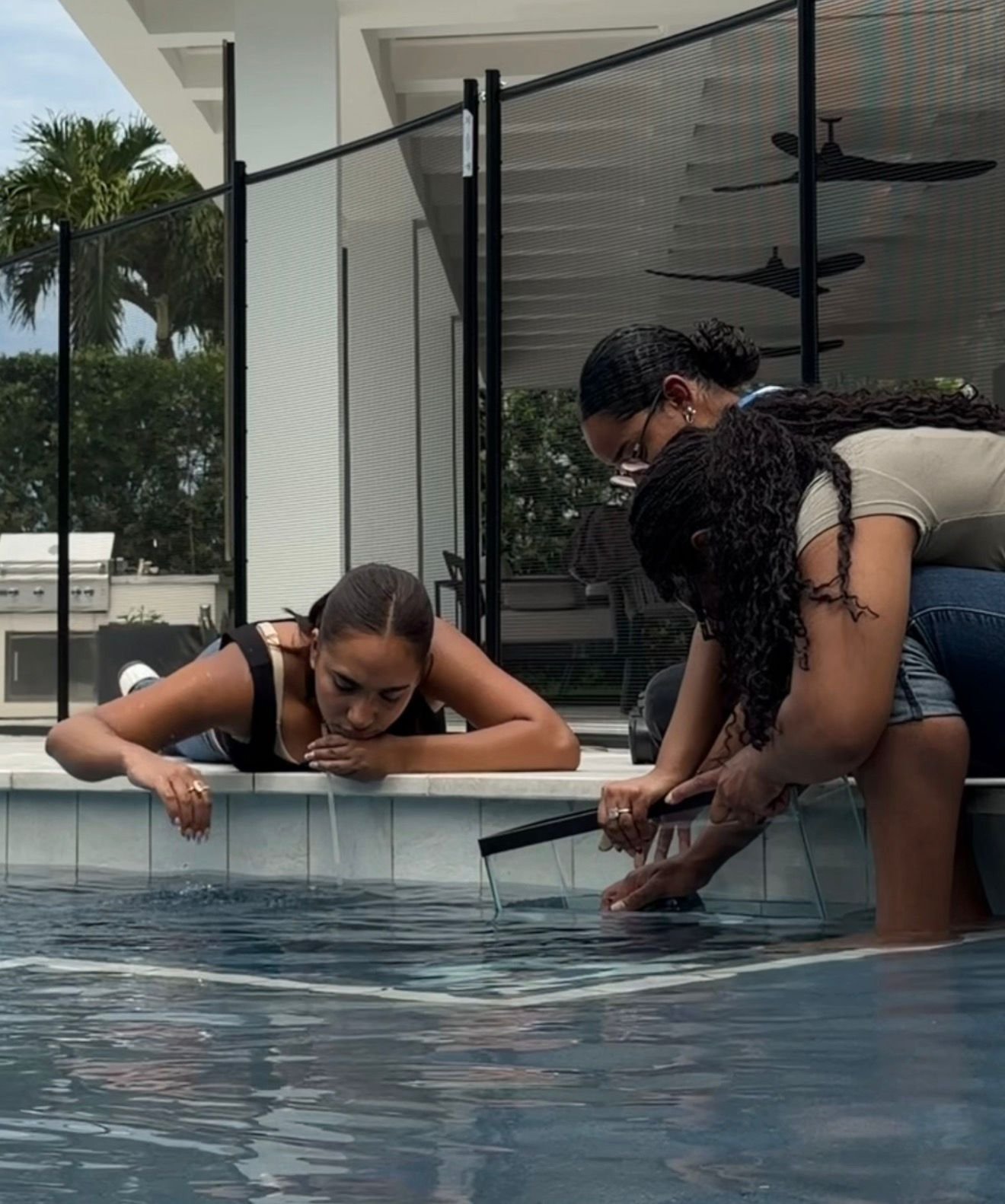
Behind the Image: Where the Experiment Begins
Experimentation Is Part of Photography
Like many photographers, I collect inspiration from all kinds of places. Recently, my coworker Meg came across an AI-generated image online featuring jewelry underwater and thought it would be fun to see if we could recreate the concept in real life.
This was not part of a major campaign or a high-pressure assignment. It was simply a standalone shot driven by curiosity. No one knew if it would work. There was no guarantee that it would become anything more than an experiment. The goal was simple: See what was possible.
Sometimes creativity is not about finding the perfect answer. Sometimes it is about asking: “What happens if we try this?” Behind every polished photograph are dozens of imperfect ideas, failed attempts, and experiments that nobody talks about.
That is where growth happens.
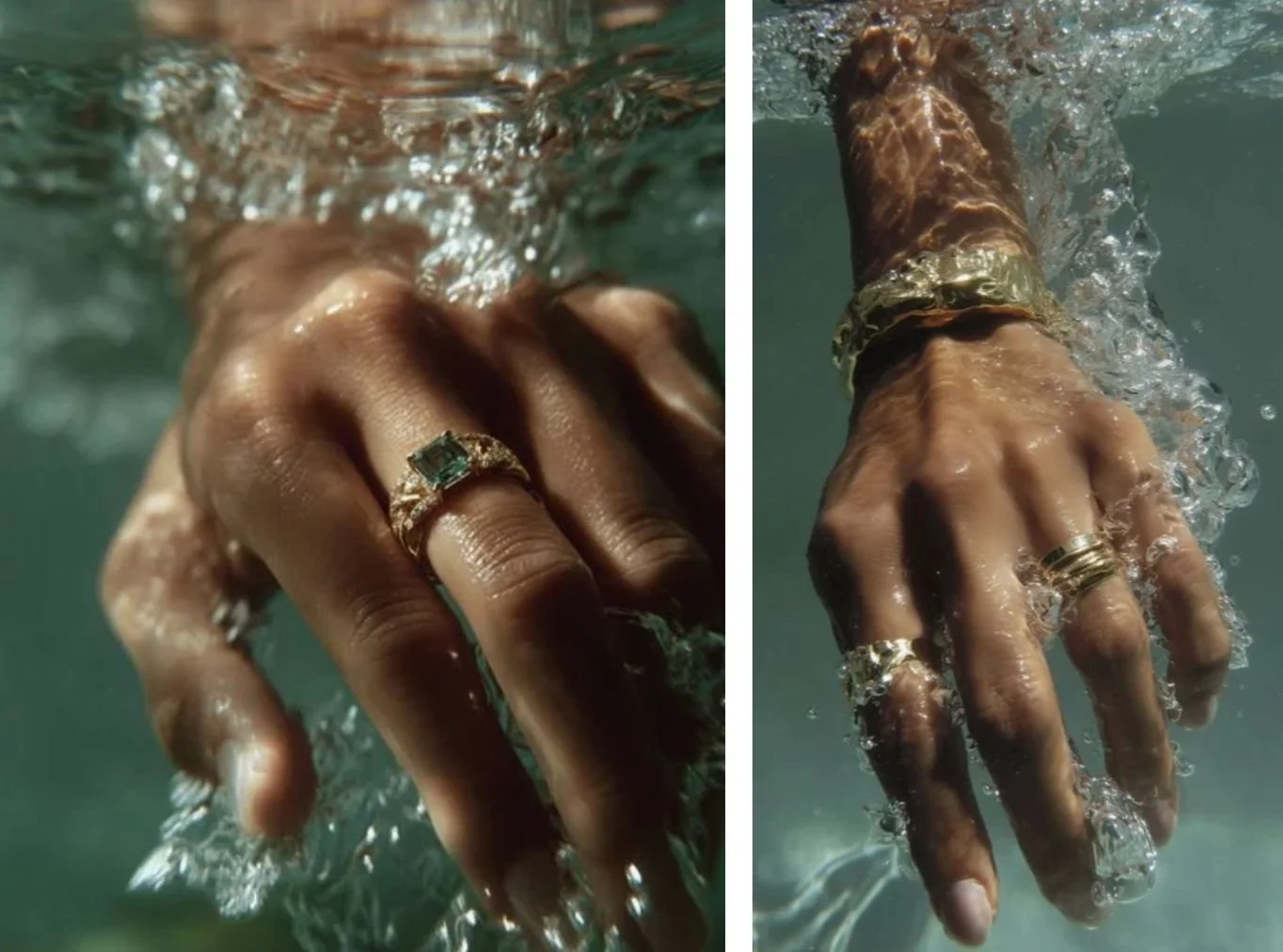
AI-generated reference image that inspired the underwater jewelry photography experiment.
Going Viral Comes With Criticism
When the video started gaining traction, I expected people to be curious about the process. Instead, I found myself reading thousands of opinions from strangers.
Some people thought the image was creative.
Some people hated it.
Some questioned the technique.
Some made assumptions about my skills based on one experimental frame.
And honestly, I found the reaction fascinating. It reminded me that people often judge experiments as if they are final exams. Experiments are not supposed to be perfect. They are supposed to teach us something.
As photographers, we spend years developing our craft. We learn through trial and error. We refine our lighting. We improve our retouching. We discover better ways to create. Growth has always been messy. Social media often forgets that.
Visibility Means Accepting Disagreement
For years, I mostly experienced positive feedback online. Going viral introduced me to something new.
Disagreement.
At first, criticism felt personal. Creative work is deeply personal. We naturally attach our identity to the things we create. But I realized something important. Visibility comes with opinions. If you want your work to be seen, some people will love it and some people will not. That is part of being an artist.
Staying invisible may protect you from criticism, but it also protects you from opportunity. Most of my clients have found me online. Without visibility, those opportunities would not exist.
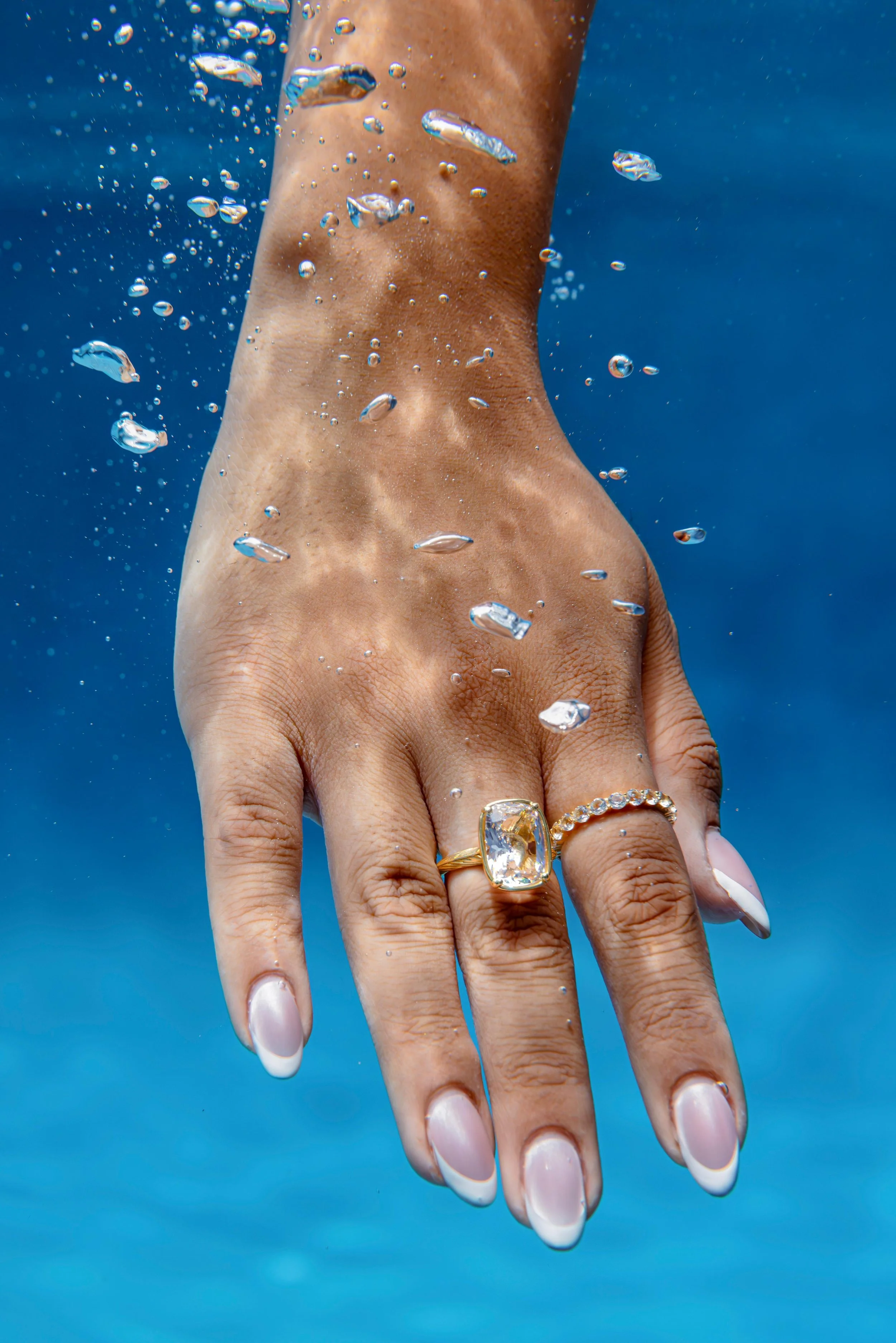
The Experiment Became the Image
The Strange Contradiction Around AI
One thing I found particularly interesting was how people reacted to the image itself. Many comments celebrated the fact that a real person attempted to create the image instead of relying entirely on AI. At the same time, when some people disliked the result, their immediate response was:
“You should have just used AI.”
That fascinated me.
As creatives, we often hear concerns about AI replacing artists and photographers. We hear conversations about authenticity and preserving human creativity. Yet the moment a human experiment does not produce a perfect result, many people seem ready to abandon the process altogether and hand it over to a machine. That feels backwards to me. Not because AI is inherently bad.
AI is a tool.
But photography, filmmaking, music, and painting did not evolve because people gave up after one imperfect attempt.
Creative industries move forward because artists experiment, fail, adjust, and try again. Sometimes the answer is not: “Just let AI do it.” Sometimes the answer is: “Interesting. How can we make this better next time?”
Why Human Creativity Still Matters
The value of creativity is not perfection.
The value of creativity is curiosity.
It is asking questions.
It is testing ideas.
It is learning through experience.
It is having the courage to create something before you know exactly how it will turn out.
AI can be a powerful tool, but it should not replace the process of learning. Because creativity has never been about avoiding mistakes. It has always been about making them, learning from them, and discovering something new along the way.
Final Thoughts
Looking back, I am grateful that the video went viral. Not because everyone agreed with me. Not because everyone loved the image. But because it reminded me that experimentation is still worth protecting. People often judge experiments as if they are final exams.
But behind every polished campaign, every beautiful photograph, and every successful creative project, there is usually a long history of strange ideas, imperfect attempts, and moments where someone simply asked:
“What happens if we try this?”
And honestly, I hope we never stop asking that question.
